

Is Omega-3 for Lifters Worth It? Fish Oil Dosing Explained
Fish oil can modestly reduce soreness and inflammation markers after hard training, but it won't build muscle on its own. Here's the dose, the label math, and h
Fish oil can modestly reduce soreness and inflammation markers after hard training, but it won't build muscle on its own. Here's the dose, the label math, and h
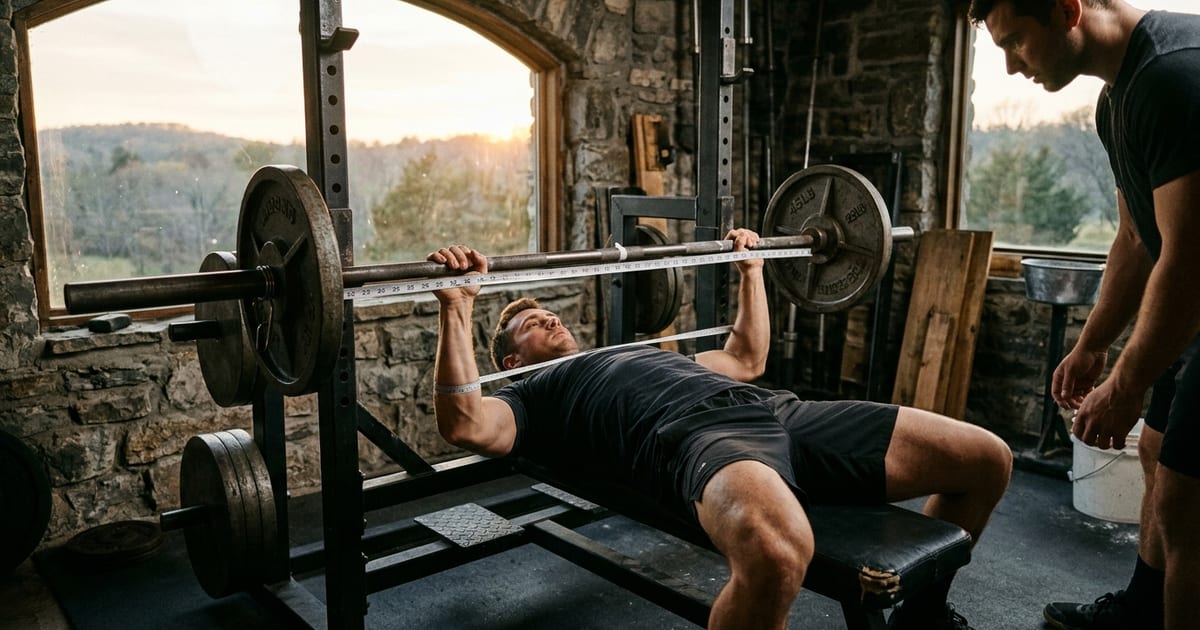
Most lifters choose a bench press grip by feel or by copying someone else. Here is how to measure your shoulders, convert that number to a spot on the bar, and
Beginner strength standards give you a rough reference point, but your first week should calibrate your starting weights, not test your limits. Here's what the
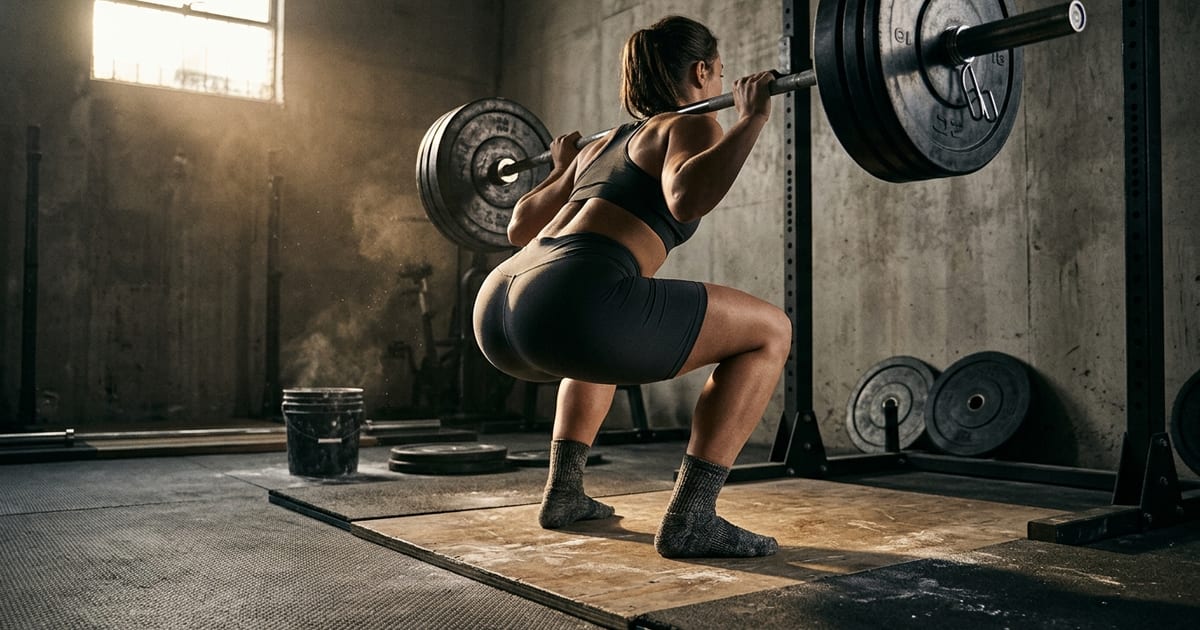
Compression shorts won't add weight to your squat, but they may sharpen positional awareness and support recovery. Here's what the research says and how to test

The Health & Fitness Association and the Fitness Technology Summit are combining their European events for London in 2027. Here is what that shift means for operators, and for lifters who track their own progression.
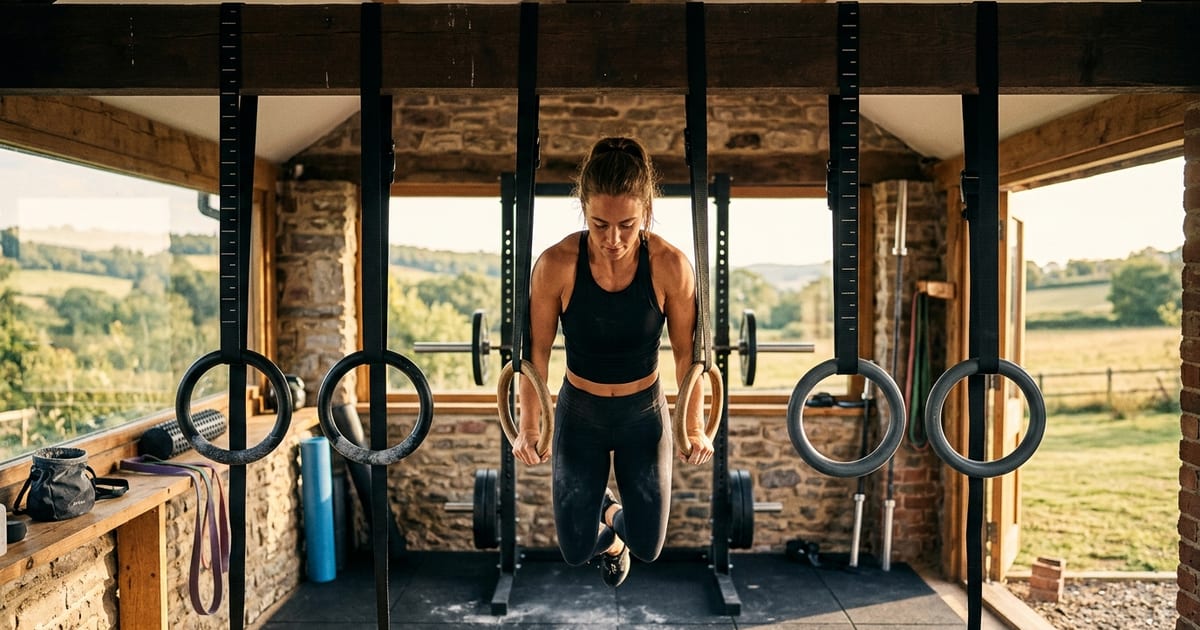
Wood, steel, or plastic? A research-informed guide to choosing gymnastics rings for pull-ups, dips, and ring muscle-ups, plus how to set them up and progress on

A 2026 narrative review maps the overlapping metabolic, hormonal, pain, mood, cognitive, and sleep responses to a single resistance session. It also explains why none of them should be mistaken for progress.
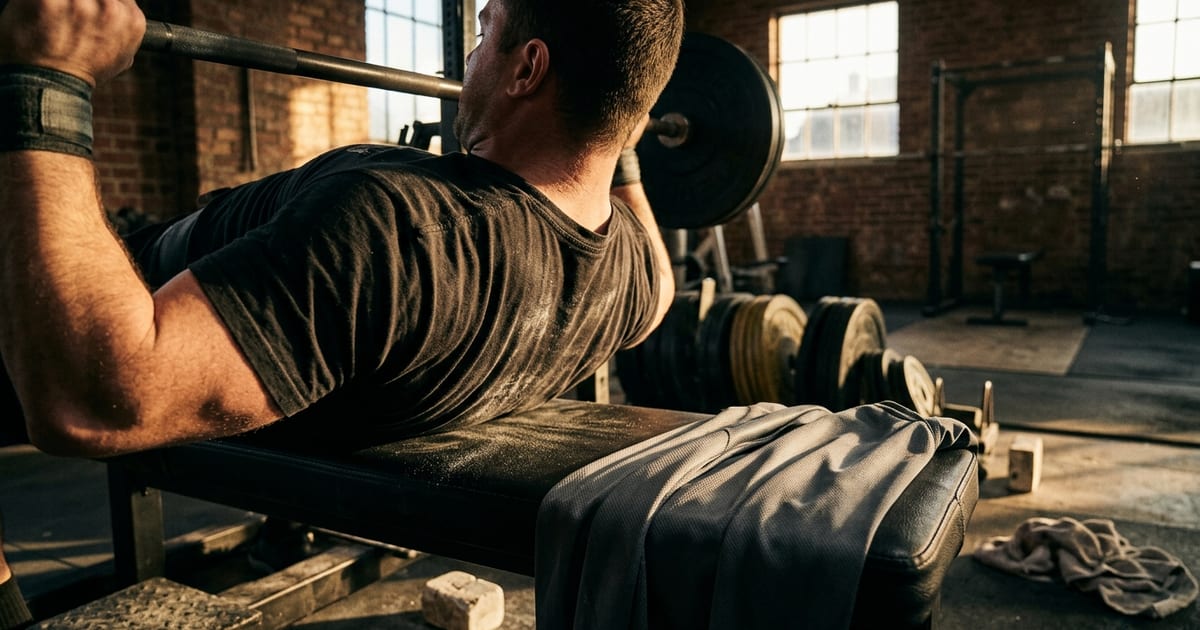
Sliding on the bench is often a fabric problem, not a technique problem. Here's how cotton and polyester change upper-back friction, and how to test which works
Fish oil can modestly reduce soreness and inflammation markers after hard training, but it won't build muscle on its own. Here's the dose, the label math, and h

Accumulation builds the muscle and work capacity. Intensification turns it into strength you can show on the bar. Here's how to program both blocks, and how to

Two new within-subject trials suggest progressive overload matters mainly because it keeps sets close to failure as you adapt. This week also covered Nordic curl dosing, the repeated bout effect, and how to switch training apps without losing your history.

Bar speed isn't just a byproduct of effort — it's a signal. Here's how velocity zones map to specific training outcomes, and how to use that information without

Your 5/3/1 training max should start at 90% of your estimated 1RM — conservative enough to build momentum, specific enough to drive real progression. Here's exa

Recovery, not effort, is the main limit on progress for lifters over 40. Here's how to structure blocks, frequency, and deloads around that limit so you keep pr

Does how often you train each muscle group change whether you build strength or size? Research suggests the answer is more nuanced — and more freeing — than mos

Ascending rep ladders let you accumulate quality reps at a fixed load, building work capacity without chasing failure. Here is a simple template and a clear way
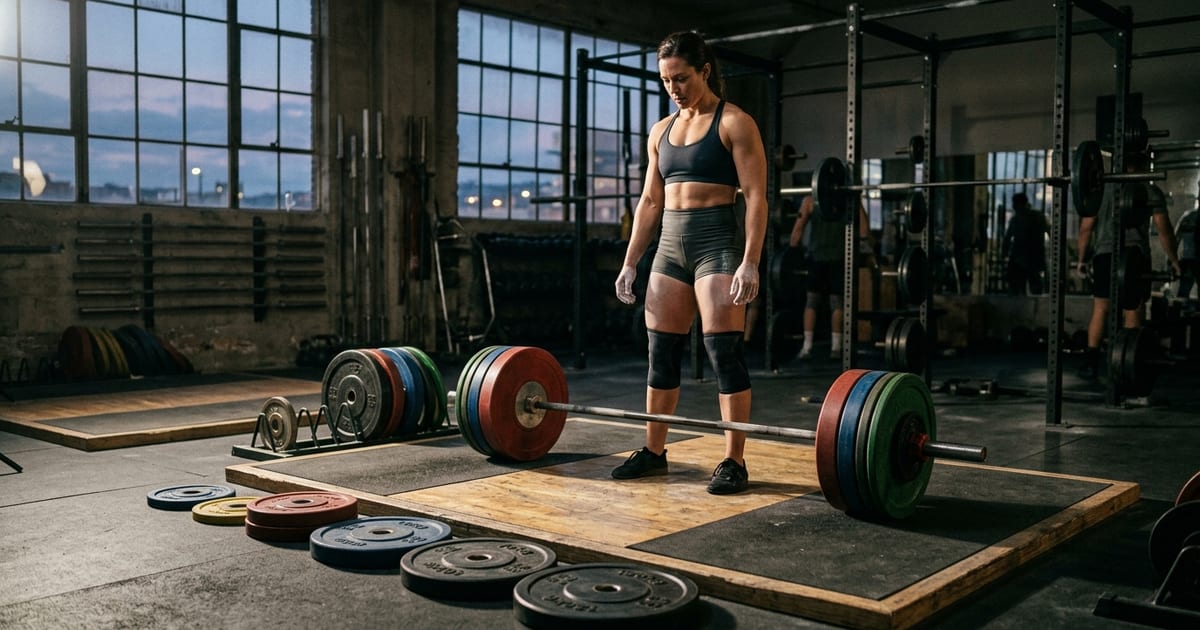
The right number of warm-up sets depends on your working weight and the lift — but a structured 3–8 set protocol using graduated loads is the most reliable way

Training every major muscle group three times per week on non-consecutive days is one of the most evidence-supported structures for natural lifters. Here's what
Calories and protein, carbs & fat dialed in for your goal — then track every gram in Kenso.
Open the calculator →
Most lifters choose a bench press grip by feel or by copying someone else. Here is how to measure your shoulders, convert that number to a spot on the bar, and

The Nordic hamstring curl has some of the strongest evidence for reducing hamstring strain risk, and the effective dose is smaller than most people expect. Here
Giant sets save time, but straight sets protect the heavy work that drives strength. Here's how to decide which structure fits your training, and how to program

Reps in reserve (RIR) is one of the most practical tools for regulating training intensity — but the right number differs significantly between strength and hyp

Most lifters train in blocks without ever defining them. Here's how to structure a mesocycle with the right length, progression logic, and exit criteria — so ev

Forced reps can extend productive training volume past failure—but only under specific conditions. Here's how to use assisted reps to drive hypertrophy without

Four days is enough to build real strength and muscle — if the structure is right. Here's how to design a 4-day program that holds up over months, not just week

PPL can be run 3 to 6 days per week, but the right frequency depends on your training age, recovery capacity, and schedule. Here's how to find yours.

Forward head posture is fixable — but it takes consistent, targeted work on the right muscles. Here's a practical protocol built for lifters.

Plank duration is less important than most lifters think. Here's how to use time-based benchmarks and progression-based standards to actually build core strengt
The study, the effect size, what it actually means for your training. No fluff. No spam. Unsubscribe in one click.
Beginner strength standards give you a rough reference point, but your first week should calibrate your starting weights, not test your limits. Here's what the
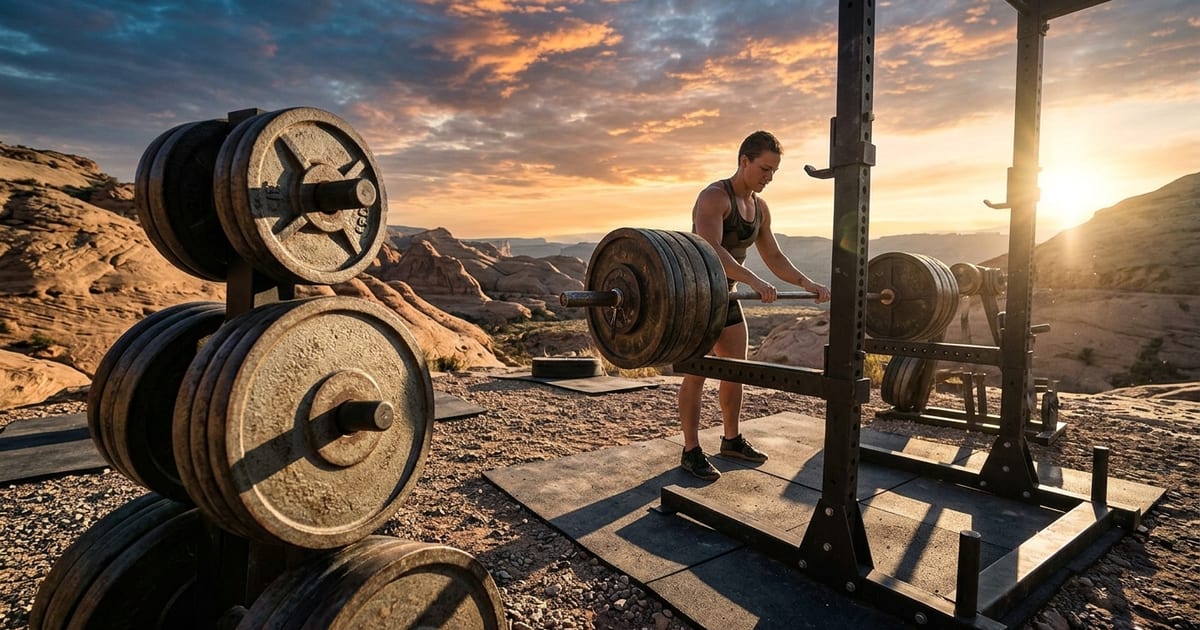
You don't have to grind through a bad set to find out a weight is too heavy. Four quick checks before your first working rep tell you most of what you need to k

Choosing the wrong starting weight is one of the most common early mistakes in a lifting program. Here's a simple, repeatable method that works for any exercise

Workout programs look like a foreign language at first. Here's how to decode the notation, understand what you're actually being asked to do, and start training

Mastering basic gym movements takes longer than most beginners expect — and that's not a problem. Here's what a realistic learning timeline looks like.

Five specific beginner mistakes that genuinely impact your progression, plus how to avoid them from day one.
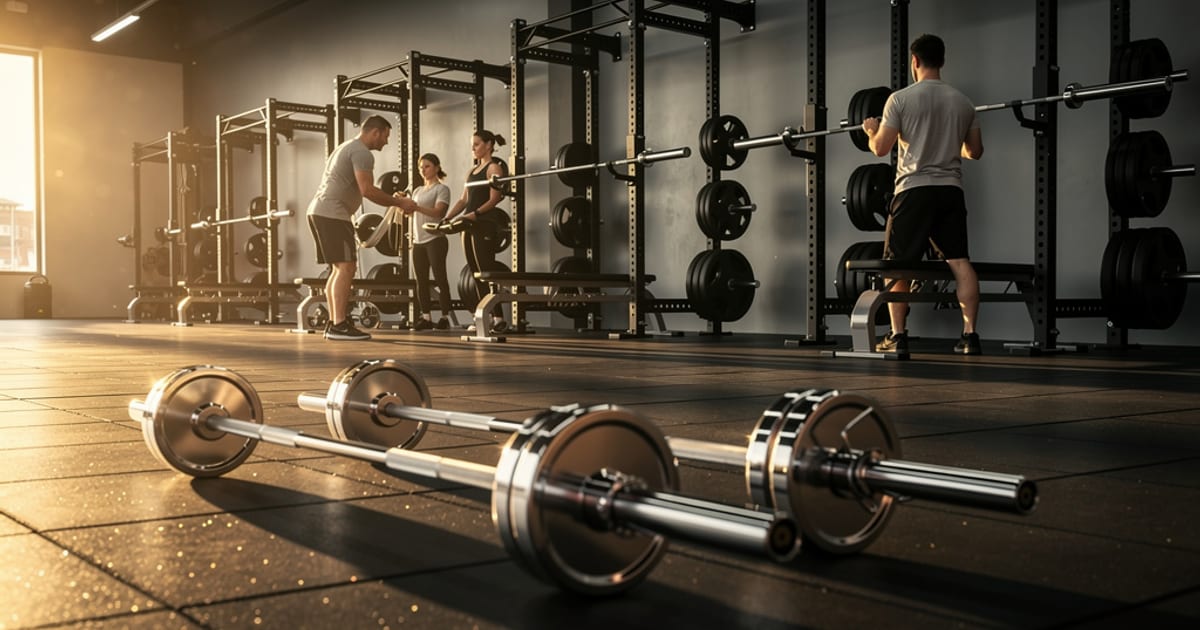
The right gym for beginners prioritizes essential equipment over flashy features. Focus on barbells, squat racks, and knowledgeable staff.

The unspoken gym etiquette rules that can make or break your training experience—and why most beginners learn them the hard way.
Answer a few quick questions and see how Kenso would program your lifting.
Take the 60-second quiz →
Compression shorts won't add weight to your squat, but they may sharpen positional awareness and support recovery. Here's what the research says and how to test
Wood, steel, or plastic? A research-informed guide to choosing gymnastics rings for pull-ups, dips, and ring muscle-ups, plus how to set them up and progress on
Sliding on the bench is often a fabric problem, not a technique problem. Here's how cotton and polyester change upper-back friction, and how to test which works

Hybrid strength athletes need one log that handles a log press, a yoke run, and a competition squat in the same session. Here is how seven apps compare in 2026,
Smart gyms and all-in-one trainers look like the answer, but they cap the lifts that matter most. Here's how to build a competition-ready squat, bench, and dead

Your opener is a data problem. Here is how to choose a powerlifting meet prep app for the final 8 weeks, with an honest look at what each one does and doesn't d
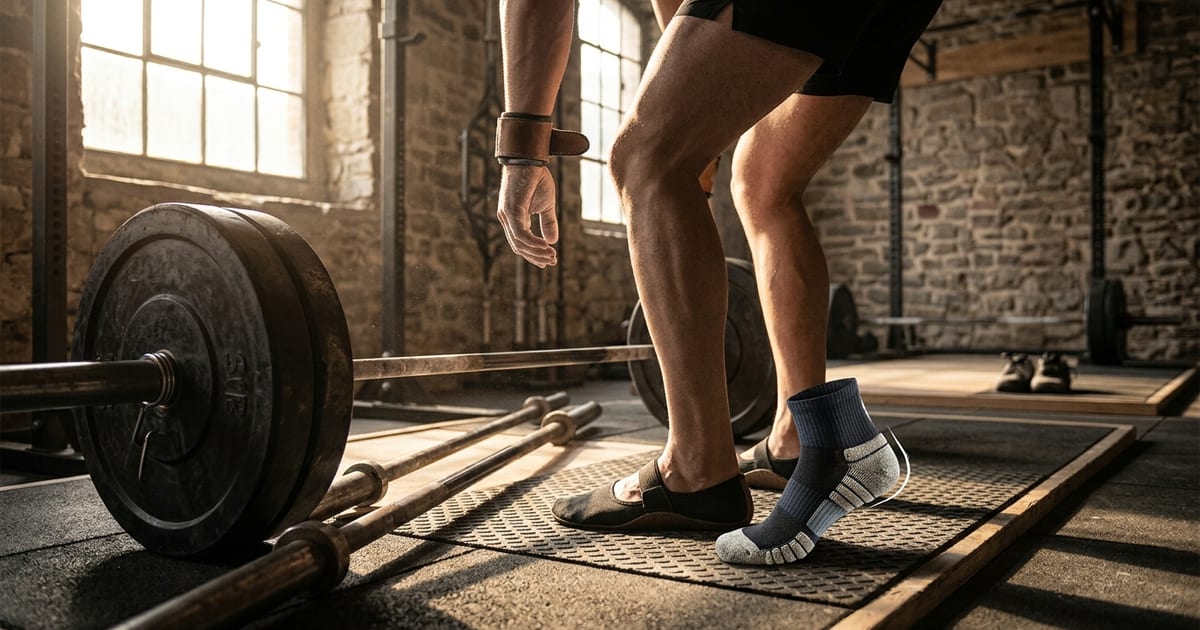
Sock cushioning adds a soft layer under your foot. Here's how gym sock thickness affects deadlift feel and squat stability, and why cuff height and padding are

No app officially integrates with MAPS Prime Pro, so the best tracker is one that logs corrective work in the same session as your lifts. Here's how seven logge
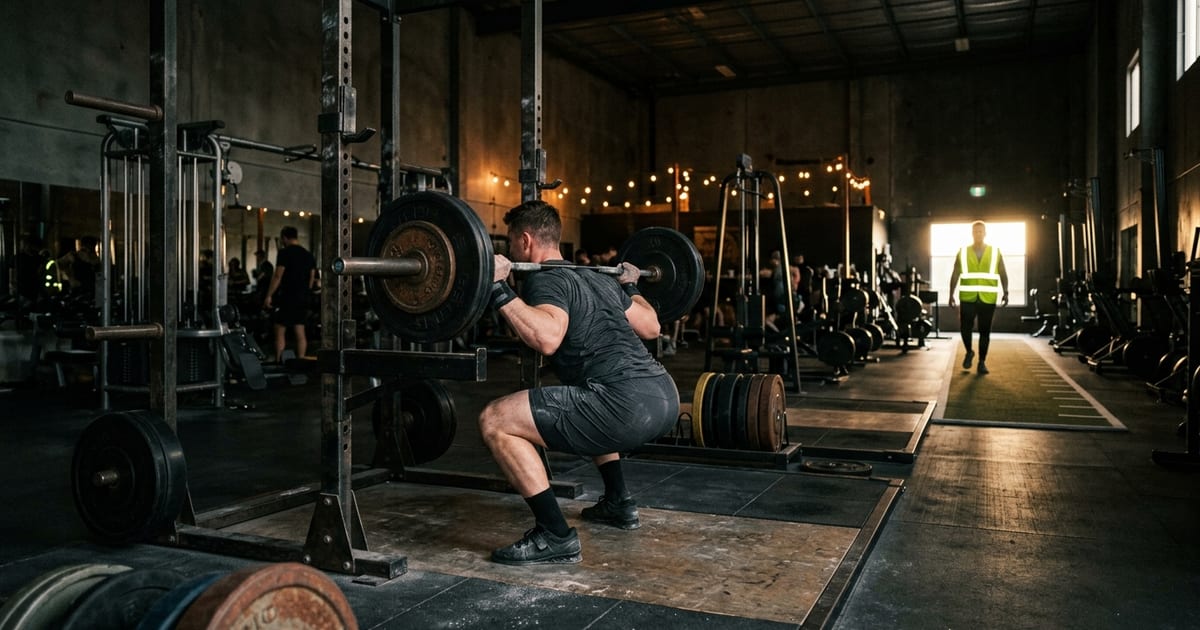
High-visibility fabric is built for roads, not squat racks. Here's when reflective gear is worth it, and why matte, textured fabric matters more for lifters ind

Tracking CWS wave cycles and auto-regulated volume requires more than a generic logger. Here's how the top apps stack up for the Juggernaut Method Base program
The Health & Fitness Association and the Fitness Technology Summit are combining their European events for London in 2027. Here is what that shift means for operators, and for lifters who track their own progression.
A 2026 narrative review maps the overlapping metabolic, hormonal, pain, mood, cognitive, and sleep responses to a single resistance session. It also explains why none of them should be mistaken for progress.

A new within-subject trial shows both fixed and progressed loads built muscle for two months. The difference appeared in the final weeks, as the fixed load drifted further from failure.

A 2026 trial compared arms trained with and without progressive overload. Both grew, but the progressed arm grew more, and the researchers think muscle use during the session explains the difference.

Two new studies in the Journal of Strength and Conditioning Research show that how you prescribe load and which exercise you choose both shape your results. Here's what lifters can take from them.

A 10-week MRI study found that hip extension and hip abduction grow different regions of the gluteus maximus. Here's what that means for how you program glute work.

A 2026 randomized trial compared RPE-based and percentage-based deadlift programs. Strength gains were similar, but the RPE group reported less fatigue going into each session.

This week's research looks at resistance training for cyclists and split-set training in handball players — and together they make a clear case for programming intensity with precision, not just effort.

A 2026 study on youth handball players found split-set training outperformed failure training on one power metric — but not on strength, muscle size, or athletic performance. Here's what that means for how you program your sets.

The 30-minute post-workout protein window has been a fixture of lifting culture for decades. The research tells a more nuanced story — and the practical implica

Importing your workout history into Kenso isn't just a data transfer — it's an instant diagnostic. Here's exactly what Kenso reads, flags, and builds from your

Switching workout apps sounds simple — download, log, done. But most switches collapse within a month. Here's why that happens and what a successful move actual

Three years of workout history doesn't have to disappear when you switch apps. Here's exactly what transfers, what stays behind, and how to move your data witho

Switching from Hevy to Kenso takes about ten minutes and preserves your full session history — dates, weights, reps, and RPE. Here's exactly how to do it withou
Your second leg day hurts less because your first one taught your muscles to protect themselves. Here's what the repeated bout effect is, why soreness is a poor

If you've paid for a lifetime logger like Strong or Hevy, you already own your data. The question is whether anything is reading it — and what a coaching layer

Switching from Strong to Kenso doesn't mean starting over. Here's exactly how to export your history and what Kenso reads from it the moment it lands.
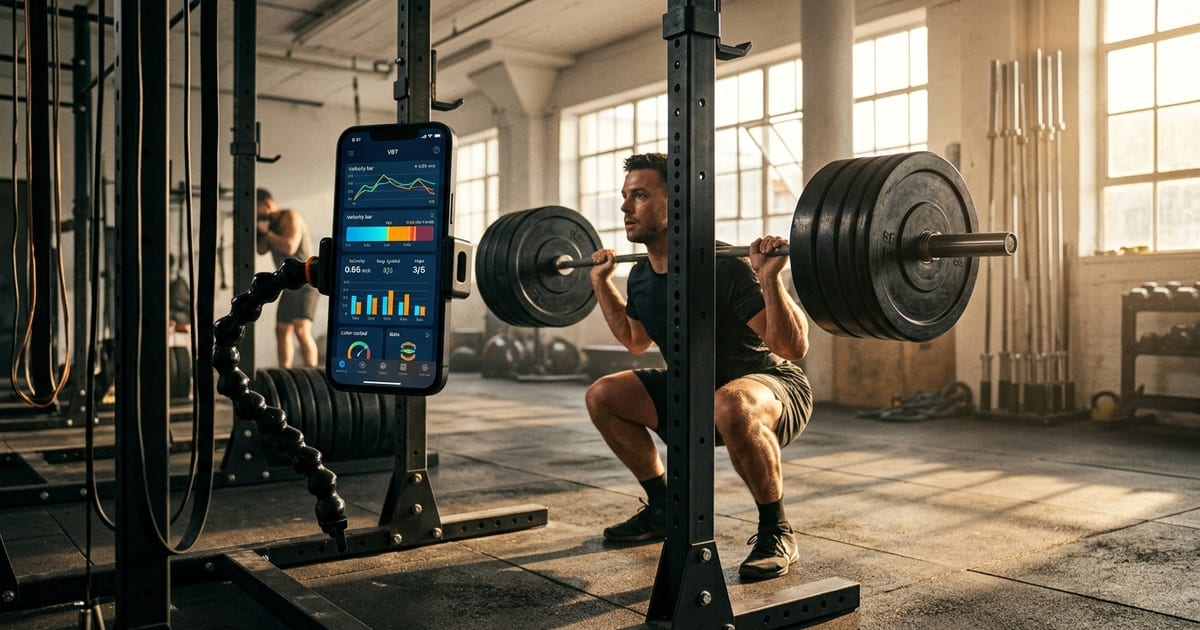
Camera-based VBT apps have closed the accuracy gap with tethered devices. Here's how the leading options compare — and how to pick the right one for your traini

All three programs work — but they're built for different points on the progression curve. Here's how to match the right program to where you actually are.

Doing the same workout every week doesn't just stall progress — it measurably raises your injury risk. Learn how to calculate your training monotony score and u

We've partnered with IM8 Health, Lewis Hamilton's premium greens company, to offer Kenso users access to their athlete-focused daily nutrition blend.

We've partnered with Peak Cocktails to bring Kenso users zero-proof functional cocktails loaded with adaptogens and superfoods. Here's why we vetted them and what it means for you.
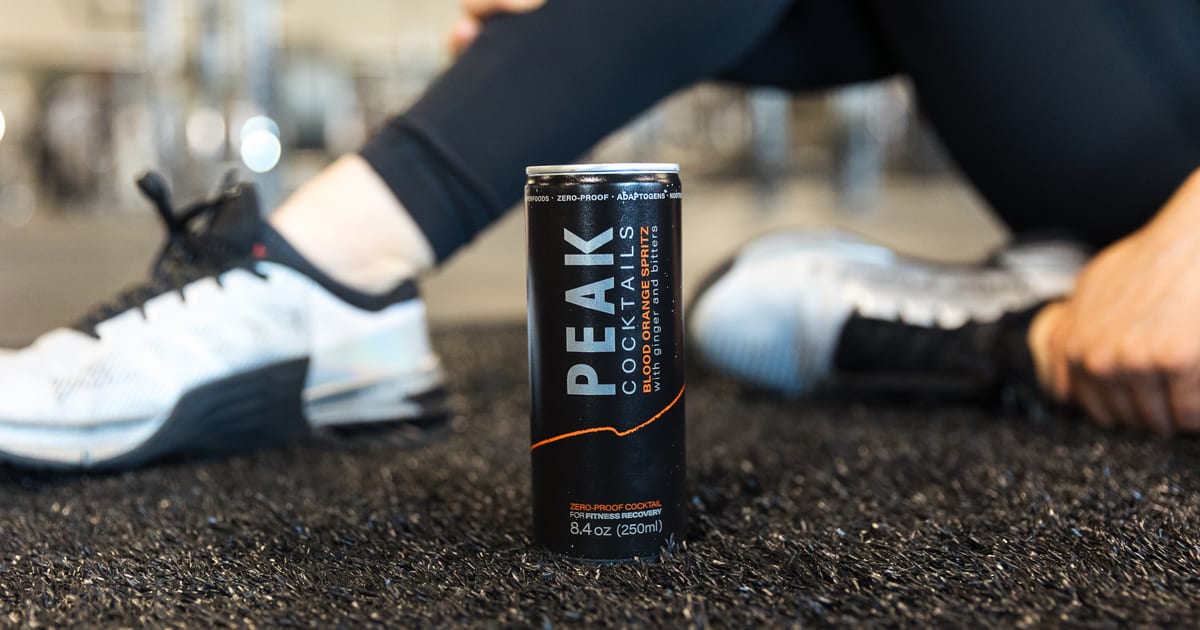
Last month I skipped my usual post-workout beer and noticed something unexpected about my recovery. Here's what I'm doing instead.

Three months ago I started scooping greens powder instead of reaching for coffee. Here's what actually changed — and what didn't.

Most greens powders are marketing fluff. Here's what the research actually says about adaptogens, polyphenols, and functional mushrooms for athletic performance and longevity.
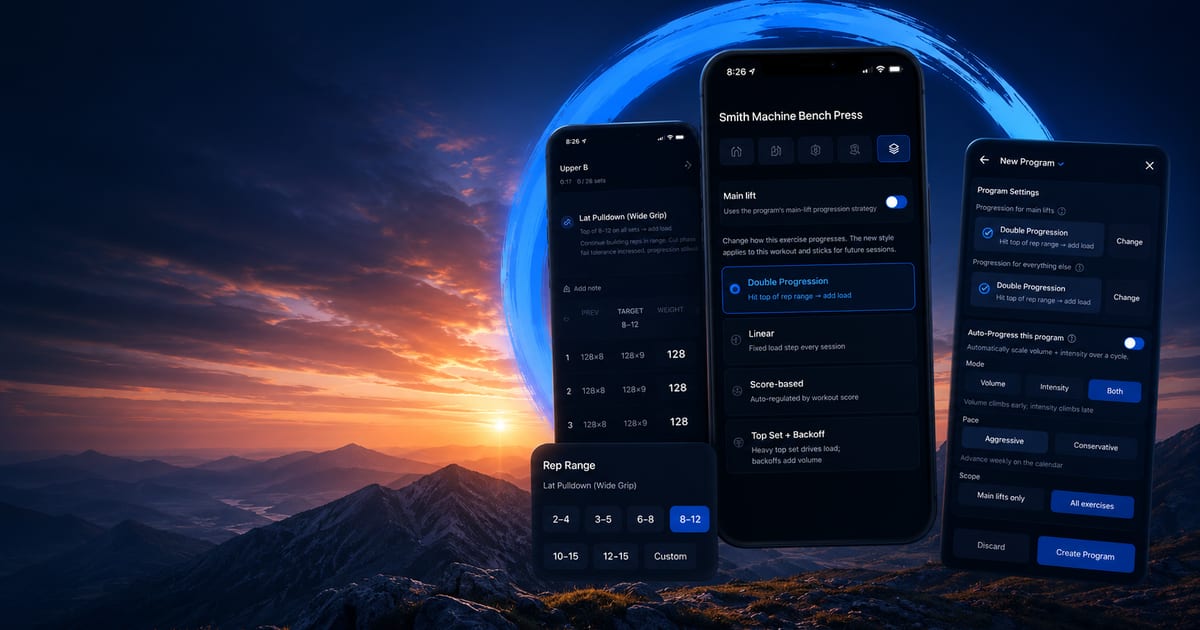
Kenso now lets you choose from twelve progression strategies per exercise, so your heavy compounds can run 5/3/1 while isolation work follows volume cycles.

Connect your Kenso account to ChatGPT or Claude and ask about your training in plain English — they'll read your data live and even build programs for you.
The study, the effect size, what it actually means for your training. No fluff. No spam. Unsubscribe in one click.
Research, expert analysis, and evidence-based training strategies.
The study, the effect size, what it actually means for your training. No fluff. No spam. Unsubscribe in one click.
The study, the effect size, what it actually means for your training. No fluff. No spam. Unsubscribe in one click.