
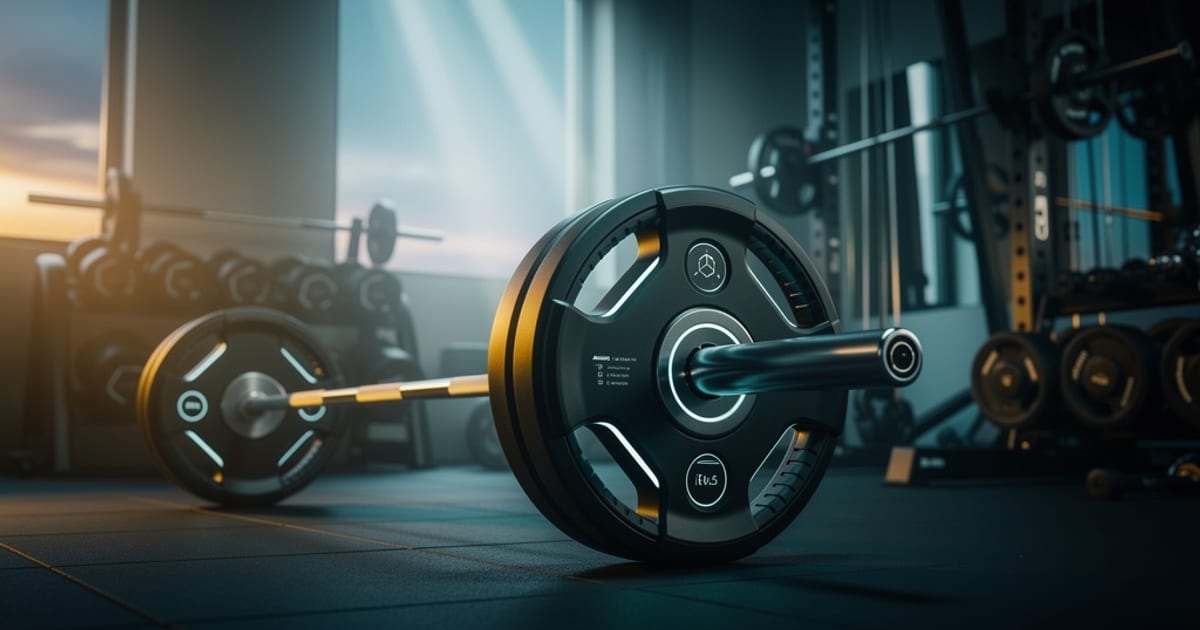
What Are the Best Smart Plates for AI Weight Tracking in 2026?
TL;DR: The best smart plate and connected-weight systems for AI weight tracking in 2026 are the Tempo Move 2.0 for computer-vision load detection ($2,495) and Tonal for electromagnetic resistance with precise digital control ($3,995). Budget-conscious lifters can consider the Echelon Reflect Touch 50 ($1,899) or skip the hardware entirely and pair traditional plates with a tracking app like Kenso. Most full-featured systems require a subscription ($39-49/month) for AI coaching.
The Smart Plates Revolution: How AI Is Changing Weight Training
Smart plates and connected barbell technology have moved from experimental gadgets to established home gym equipment in 2026. These AI-assisted systems detect weight loads, track your lifting patterns, and provide real-time feedback that previously required a personal trainer.
The technology works through a few different methods: computer vision systems that recognize plate configurations, electromagnetic resistance that adjusts digitally, and sensor-embedded weights that communicate via Bluetooth. The shared goal is to reduce manual logging and capture training data automatically as you lift.
Top Smart Plates and Load Detection Systems for 2026
Tempo Move 2.0
The most advanced computer vision system for serious lifters.
Tempo's latest iteration uses 3D computer vision to detect weight plates and track your movements automatically. The system includes a large touchscreen, AI coaching, and movement analysis.
- Weight Detection: Automatic via computer vision
- Max Load: 300 lbs total
- Price: $2,495 + $49/month subscription
Tonal Smart Gym
Electromagnetic resistance with precise digital weight control.
Tonal's wall-mounted system uses electromagnetic resistance instead of traditional plates, offering smooth resistance curves and automatic weight adjustments based on your strength profile.
- Weight Range: 5-200 lbs per arm (digitally controlled)
- AI Features: Adaptive resistance, spot assistance
- Price: $3,995 + $49/month subscription
Echelon Reflect Touch 50
Budget-friendly smart mirror with weight tracking capabilities.
Echelon's smart mirror system includes basic weight recognition for dumbbells and provides guided strength training with AI form analysis.
- Weight Detection: Manual input with visual confirmation
- Screen Size: 50-inch touchscreen mirror
- Price: $1,899 + $39/month subscription
JaxJox KettlebellConnect 2.0
Smart adjustable weights with automatic tracking.
This connected kettlebell system adjusts weight from 12-42 lbs and syncs workout data to your smartphone via Bluetooth.
- Weight Range: 12-42 lbs in 6-lb increments
- Connectivity: Bluetooth 5.0
- Price: $349 (no subscription required)
PowerBlocks Smart Connect Series
Traditional adjustable dumbbells with smart tracking.
PowerBlocks' latest series includes RFID chips in each weight increment, automatically detecting load changes when paired with their smartphone app.
- Weight Range: 5-90 lbs per dumbbell
- Detection Method: RFID chip tracking
- Price: $899 per pair + $9.99/month app
NordicTrack Vault Complete
All-in-one smart gym with automatic weight detection.
The Vault system combines a smart mirror with included weights and uses computer vision to track your lifting sessions automatically.
- Included Weights: Dumbbells, resistance bands, kettlebell
- Detection: Computer vision + manual confirmation
- Price: $2,999 + $39/month subscription
Traditional Plates + Kenso App
Smart tracking without smart hardware.
For lifters who prefer traditional equipment, an app like Kenso provides intelligent progression tracking and analysis without requiring expensive smart plates. Kenso's rule-based double-progression engine recommends your next weight and reps after each session, and its premium AI Coach can review your logged history and adjust your program when you ask.
- Compatibility: Any barbell/dumbbell setup
- Features: Double-progression recommendations, workout analysis, recovery-readiness score
- Price: Standard plates + Kenso Premium (~$9.99/month)
Smart Plates Comparison Table
| System | Weight Detection | Max Load | AI Coaching | Price | Monthly Fee |
|---|---|---|---|---|---|
| Tempo Move 2.0 | Computer vision | 300 lbs | Advanced | $2,495 | $49 |
| Tonal | Digital resistance | 200 lbs/arm | Adaptive | $3,995 | $49 |
| Echelon Reflect | Manual + visual | Unlimited | Basic | $1,899 | $39 |
| JaxJox Connect | Automatic | 42 lbs | None | $349 | $0 |
| PowerBlocks Smart | RFID tracking | 90 lbs/db | Basic | $899 | $9.99 |
| NordicTrack Vault | Computer vision | 50 lbs/db | Moderate | $2,999 | $39 |
| Traditional + Kenso | Manual logging | Unlimited | Double-progression + AI Coach | Varies | ~$9.99 |
How AI Weight Tracking Actually Works
Computer Vision Systems
Systems like Tempo use cameras and machine learning to identify weight plates in real time. The software recognizes different plate sizes, counts them, and tracks bar path during lifts. This category of technology has improved steadily since 2024.
Electromagnetic Resistance
Tonal's approach eliminates physical weights entirely, using electromagnetic motors to create resistance. The system can adjust weight mid-rep, provide eccentric overload, and offer assistance when you're struggling—capabilities impossible with traditional plates.
Sensor Integration
Some smart weights include built-in accelerometers and Bluetooth connectivity. These sensors detect when plates are added or removed and sync with a companion app. The general approach is similar to the connectivity found in high-end smart scales from companies like Withings.
The Benefits of Automatic Load Detection
Reduces Manual Logging
Traditional workout tracking requires stopping between sets to record weights and reps. Automatic load detection reduces this friction by capturing much of your session as it happens. Lower-friction tracking tends to encourage more consistent data collection, which is what makes long-term progression analysis useful.
Supports Training Consistency
When your equipment captures progression for you, it's easier to stay with a structured program. Research consistently shows that structured, tracked training is associated with better strength outcomes over time than untracked training—largely because consistent records make progressive overload easier to apply and adjust.
Provides Real-Time Feedback
Some systems can flag when you're lifting too fast, breaking form, or ready to add weight. Immediate feedback can help you break through plateaus and train more safely—particularly valuable for home gym users without a spotter.
Choosing the Right Smart Plate System
• Budget considerations: Entry-level systems start around $349, while premium setups exceed $4,000. Factor in monthly subscription costs, which range from $0-49.
• Space requirements: Wall-mounted systems like Tonal need dedicated wall space and electrical installation, while portable options like Tempo can be moved as needed.
• Training style: Powerlifters need systems that handle heavy loads (300+ lbs), while general fitness users can work with lighter digital resistance systems.
• Technology preferences: Decide between automatic detection (computer vision/sensors) or manual logging with smart analysis. Both approaches have merit depending on your workflow.
• Long-term costs: Calculate total ownership costs including equipment, subscriptions, and potential upgrades over 3-5 years.
Integration with Existing Home Gyms
Most smart plate systems work best as complete ecosystems rather than add-ons to existing equipment. However, some options integrate well with traditional setups:
Retrofit Options: PowerBlocks Smart Connect and JaxJox systems can supplement existing home gyms without requiring complete equipment replacement.
App-Based Solutions: An app like Kenso provides progression tracking for any barbell setup, offering double-progression recommendations and workout analysis without any hardware requirement.
Hybrid Approaches: Many lifters combine smart dumbbells for accessory work with traditional barbells for compound movements, using an app to tie everything together.
The Future of AI Weight Tracking
By 2026, AI integration in fitness equipment has become mainstream rather than experimental. Current trends point toward:
- Improved accuracy: Computer vision systems continue to reduce error rates in weight detection
- Better integration: Smart plates increasingly sync with health apps, wearables, and nutrition tracking
- Personalized programming: AI coaches adjust workouts based on sleep, stress, and recovery data
- Community features: Smart gyms enable virtual training partners and competitive challenges
FAQ
What's the most accurate smart plate system for weight detection?
Tempo Move 2.0 is among the most accurate, using computer vision to identify and count plates. Tonal's electromagnetic system is also highly precise since it controls resistance digitally rather than detecting physical weights.
Do smart plates work with existing barbells and racks?
Most smart plate systems are designed as complete ecosystems and don't retrofit to existing equipment. PowerBlocks Smart Connect is an exception, working with standard dumbbell handles while adding RFID tracking.
Are smart plates worth the subscription fees?
Subscription value depends on usage frequency and coaching needs. Heavy users who benefit from AI programming and form analysis often find $39-49/month worthwhile, while occasional lifters might prefer one-time purchase options like JaxJox.
Can smart plates replace a personal trainer?
Smart plates provide useful form feedback and progression tracking, but can't fully replace human coaching for complex movement patterns or accountability. They work best as training aids rather than complete trainer replacements.
What happens if the AI weight detection fails?
Most systems include manual override options and backup logging methods. Tempo and Tonal both allow manual weight entry when computer vision can't read a load, so a missed detection doesn't cost you the session.
Do smart plates require internet connectivity?
Basic weight detection usually works offline, but AI coaching, workout sync, and software updates require an internet connection. Most systems cache essential features for offline use during connectivity issues.
How do smart plates compare to traditional tracking apps?
Smart plates reduce manual logging and add real-time feedback, while an app like Kenso offers detailed progression analysis for traditional equipment at a fraction of the cost. The choice depends on budget, space, and your preference for automation versus manual control.
Are there any privacy concerns with AI weight tracking?
Smart fitness equipment collects detailed workout data, which raises privacy considerations. Review each system's data policy carefully, and consider whether cloud storage of your lifting patterns aligns with your privacy preferences.
Whether you choose cutting-edge smart plates or prefer tracking your training with an app like Kenso, the key is consistent data collection and progressive overload. Smart technology can enhance your training, but the fundamentals of progression and consistency remain unchanged. If you want the analysis without the hardware investment, a logging app that recommends your next load after every session covers the part that actually drives progress.
Ready to optimize your training data? Download Kenso to start tracking your progression with intention, regardless of your equipment setup.
This article contains affiliate links. We may earn a small commission at no extra cost to you.