
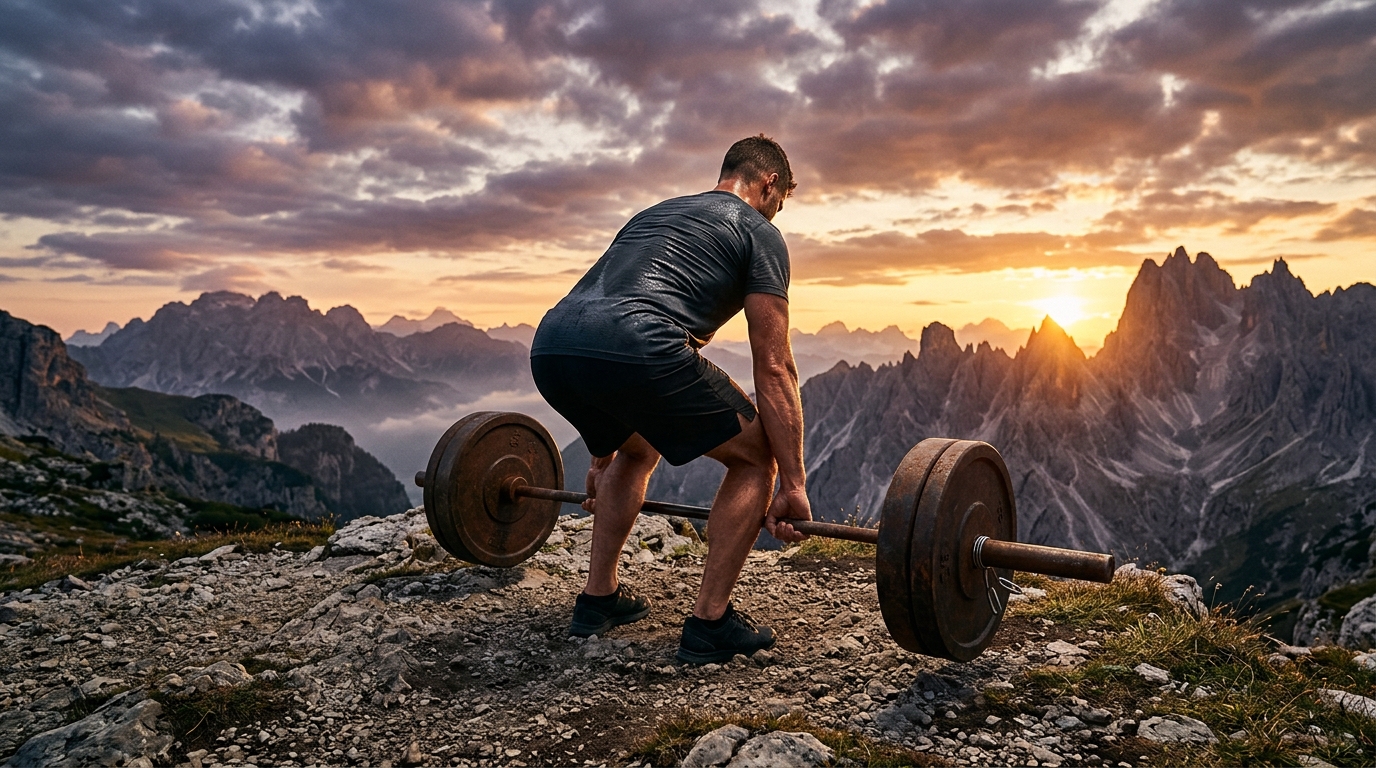
What's the Best Sweat-Wicking Fabric for Heavy Lifting?
Polyester is the best sweat-wicking fabric for heavy lifting. Its synthetic fibers move moisture away from the skin faster than natural fibers like merino wool, dry quickly, and hold their shape through demanding sessions — which is why it dominates technical lifting apparel. Below is how the main fabric options compare so you can choose gear that stays out of the way of your training.
When you're tracking your training progression with apps like Kenso, the last thing you want is uncomfortable, saturated fabric pulling your attention away from the lift. Understanding how gym apparel handles moisture helps you pick gear that supports consistent, focused sessions.
Polyester: The Heavy Lifting Champion
Polyester is the workhorse of moisture-management clothing for serious lifters. The synthetic fibers use capillary action to pull sweat away from your skin and spread it across the fabric surface, where it evaporates quickly.
Key advantages for lifting:
- Fast drying time (often 30-60 minutes)
- Maintains structure under heavy loads
- Holds up well to frequent, high-intensity washing
- Affordable and widely available
One trade-off worth noting: untreated polyester can hold onto odor over time, which is why many lifting-focused pieces add an anti-odor finish. Top performers include the Under Armour Tech 2.0 Short Sleeve and Nike Dri-FIT ADV Techknit Ultra.
Merino Wool: Natural but Limited
Merino wool offers natural odor resistance and temperature regulation, but it falls short for heavy lifting. While excellent for endurance and all-day wear, wool absorbs moisture into the fiber rather than wicking it across the surface, so it takes longer to dry.
Limitations for lifters:
- Slower drying (often several hours)
- Can feel heavy and clammy when saturated
- Higher cost per garment
- Requires more careful washing
The Smartwool Merino 150 Base Layer works better as a warm-up or base layer than for sweat-heavy main lifting sessions.
Synthetic Blends: Middle-Ground Performance
Polyester-spandex blends combine moisture management with stretch, making them a strong pick for compound and mobility-demanding movements. The trade-off is that they typically dry a bit slower than pure polyester and often cost more.
The Lululemon Metal Vent Tech Short Sleeve 2.0 is a well-built example of a quality synthetic blend, though it sits at a premium price.
Making the Right Choice
For lifters who care about durability, fast drying, and value, polyester delivers the best all-around package for heavy training. For lifters focused on progression, reducing distractions — including uncomfortable, sweat-soaked gear — supports more consistent session execution.
A practical approach: choose stretchier synthetic blends for mobility-demanding exercises, and keep pure polyester as the backbone of your core lifting wardrobe.
Ready to bring the same intention to your training? Download Kenso to log your sessions and track your progression over time, so the only variable you're worrying about mid-set is the bar.
What fabric wicks sweat fastest during heavy lifting?
Polyester wicks sweat fastest, typically drying within 30-60 minutes — much quicker than merino wool, which can take several hours.
Is merino wool good for gym workouts?
Merino wool works well for low-intensity training and as a base layer, but it absorbs too much moisture to be ideal for sweat-heavy heavy-lifting sessions.
Do synthetic blends outperform pure polyester?
Synthetic blends offer better stretch, but they typically have slower drying times and higher costs than pure polyester.
What's the most durable fabric for frequent gym use?
Polyester holds up best to frequent washing and high-intensity training, making it a reliable choice for everyday lifting wear.
Should I choose natural or synthetic fabrics for lifting?
Synthetic fabrics like polyester perform better for heavy lifting thanks to superior moisture management and faster drying times.
This article contains affiliate links. We may earn a small commission at no extra cost to you.