
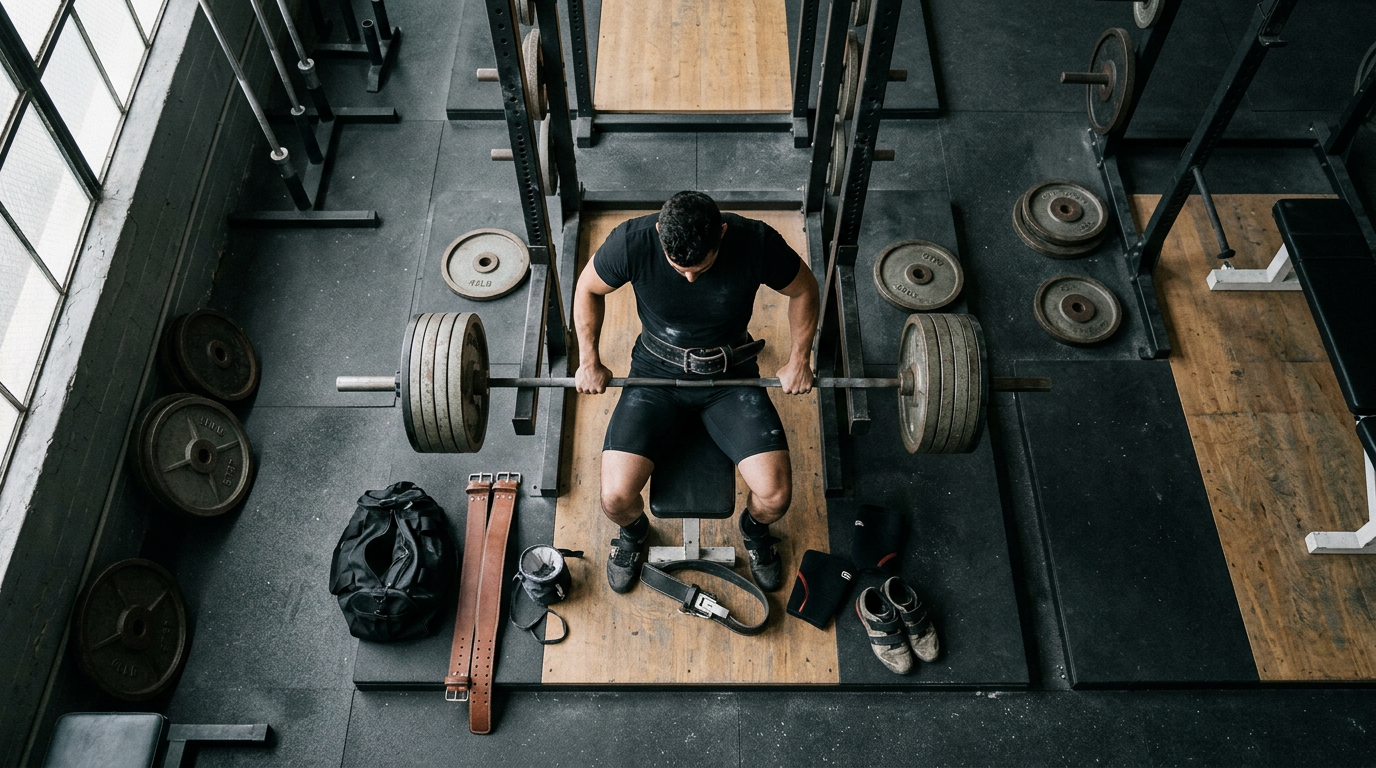
What's the Best Lifting Belt for Squats and Deadlifts?
The best lifting belt for squats and deadlifts should be 4 inches wide, 10mm thick, and made from genuine leather with either a lever or prong closure system. For serious lifters focused on progression, the Inzer Advance Designs Forever Lever Belt 10MM represents the gold standard, while the Gymreapers Weightlifting Belt 7MM Leather offers excellent value for intermediate lifters.
Why Belt Selection Matters for Training Progression
A quality weightlifting belt isn't about ego—it's a tool for consistent progression. When you're tracking your training sessions in Kenso, you'll notice how proper belt support allows you to maintain form under heavier loads, leading to more reliable progression over time.
The belt creates intra-abdominal pressure, stabilizing your spine during heavy squats and deadlifts. This stability translates to better force transfer and reduced injury risk during your most challenging sessions.
Lever vs Prong: Which Closure System?
Lever belts offer quick adjustment and consistent tightness. The Inzer Forever Lever provides lifetime durability with IPF approval, making it ideal for lifters who train at consistent belt tightness.
Prong belts allow micro-adjustments between sessions. The Gymreapers 7MM leather belt excels here, letting you adapt tightness based on your training phase or daily feel.
Key Features for Serious Lifters
- Width: 4-inch belts provide optimal support for both squats and deadlifts
- Thickness: 10mm for maximum support, 7mm for versatility
- Material: Genuine leather breaks in properly and lasts decades
- Closure: Choose based on your preference for speed (lever) or adjustability (prong)
Making the Right Choice
Your powerlifting belt choice should align with your training intentions. If you're consistently progressing through heavy singles and doubles, invest in the Inzer lever system. For lifters who vary their training intensities and rep ranges—which Kenso tracks beautifully—the adjustable prong system offers more flexibility.
Remember, the best lifting belt is one you'll use consistently. Track how belt usage affects your performance metrics in your training app to make data-driven decisions about when and how to incorporate it into your sessions.
What thickness should I choose for my first powerlifting belt?
Start with 7mm thickness for versatility across different exercises and training phases. Upgrade to 10mm once you're consistently handling 2x bodyweight squats and deadlifts.
How tight should a weightlifting belt be during squats?
Tighten the belt enough to create pressure when you brace, but not so tight you can't breathe normally between reps. You should be able to fit one finger under the belt when relaxed.
Do I need different belts for squats vs deadlifts?
No, a quality 4-inch leather belt works effectively for both movements. The key is proper positioning—slightly higher for squats, lower for deadlifts.
When should I start using a lifting belt?
Introduce a belt when you're consistently lifting 1.5x bodyweight or higher, and you understand proper bracing technique without equipment assistance.
How long do quality lifting belts last?
Premium leather belts like the Inzer Forever series can last decades with proper care. Many lifters use the same belt throughout their entire training career.
Ready to take your squat and deadlift progression seriously? Download Kenso to track how proper equipment impacts your training consistency and long-term strength gains.
This article contains affiliate links. We may earn a small commission at no extra cost to you.